Green Initiatives: How E-Waste Recycling Services Are Protecting Our Planet
E-waste represents a considerable hazard to the environment, as abandoned electronic devices commonly carry harmful materials. These toxic materials have the potential to taint soil and water sources, resulting in widespread environmental harm. Electronic waste recycling programs offer an effective remedy. They successfully retrieve useful resources while simultaneously minimizing environmental pollution. Understanding how these services operate and their impact on communities is essential. The path to successful electronic waste management prompts vital discussions about personal accountability and communal efforts. What steps can be taken next?
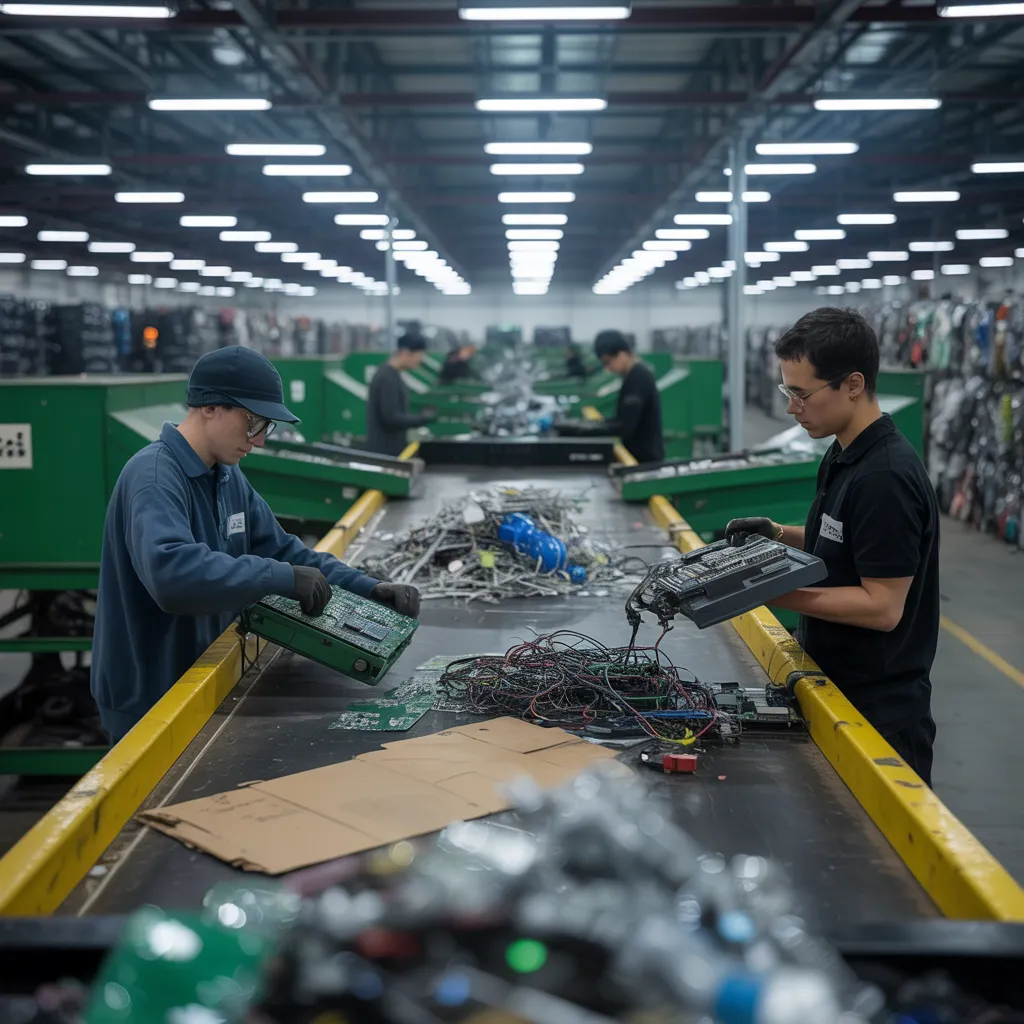
How E-Waste Is Hurting the Planet
Although technology enhances contemporary living, e-waste creates serious threats to the environment. Disposed electronic equipment, frequently composed of hazardous materials such as cadmium, lead, and mercury, are capable of seeping pollutants into the surrounding soil and water supply, posing risks to both wildlife and human well-being. The accelerating rate of technological innovation leads to greater consumer replacement of electronic devices, exacerbating the accumulation of e-waste.
Landfills, already overwhelmed with refuse, find it difficult to handle the increasing amounts of discarded devices. Incineration, another disposal method, releases harmful pollutants into the atmosphere, contributing to air quality degradation. Moreover, poor recycling procedures can cause e-waste to be sent to developing regions, where employees may disassemble electronics without sufficient safety precautions, leaving them vulnerable to harmful substances. This pattern of negligence and mismanagement highlights the critical demand for eco-friendly recycling alternatives that can reduce the damaging impact of electronic waste on the environment.
What Is E-Waste and Its Importance?
E-waste, or electronic waste, encompasses discarded electronic devices such as computers, smartphones, and televisions that have exceeded their operational lifespan. This growing category of waste is significant due to its rapid accumulation, driven by technological advancements and consumer trends. With an increasing number of devices reaching obsolescence, the ecological consequences become more pronounced, with toxic materials such as lead, mercury, and cadmium posing risks to ecosystems and human health.
Addressing e-waste is crucial not only for reducing these dangers but also for acknowledging the precious materials found within it. Valuable metals and rare earth materials can be extracted and repurposed, lessening the demand for mining and preserving natural resources. With a thorough understanding of e-waste and its impact, people and organizations alike can make educated decisions about disposal and recycling, helping to build a more sustainable world. Effective handling of e-waste is vital for encouraging a circular economy and advancing environmental responsibility.
How E-Waste Recycling Works
The recycling of e-waste encompasses a structured approach designed to recover valuable materials while limiting ecological damage. Initially, electronic waste is gathered and delivered to purpose-built recycling plants. Once there, the electronics are carefully categorized to isolate dangerous parts from recoverable materials.
Subsequently, specialists take apart the electronics, extracting plastics, metals, and glass. This process is vital, as it makes possible the reclamation of high-value metals like copper, gold, and silver, which can be reused in modern electronics.
Afterward, the separated materials are refined through advanced techniques, such as shredding and chemical treatments, to purify them for repurposing.
Ultimately, the remaining hazardous materials are disposed of responsibly, complying with environmental regulations. This comprehensive process not only saves important resources but also minimizes the hazards associated with unsafe e-waste handling, securing a more eco-conscious future for electronic consumption.
Advantages of E-Waste Recycling for You and Your Community
Though many people are unaware, the advantages of e-waste recycling go far beyond individual benefit and actively shape entire communities. By carefully processing electronic waste, individuals play a role in creating a cleaner environment, minimizing hazardous materials that can contaminate soil and water. This proactive approach actively safeguards local ecosystems and promotes public health.
Furthermore, e-waste recycling fosters job creation within communities. Nearby recycling establishments regularly need employees for various operations, including collection and processing, thus generating valuable job opportunities to area workers. This not only stimulates the local economy but also fosters community involvement in eco-friendly practices.
Moreover, understanding of e-waste recycling has the potential to generate learning opportunities, encouraging residents to adopt eco-friendly choices. By engaging with e-waste recycling programs, individuals nurture a culture of sustainability, motivating others to follow suit. In summary, the collective impact of these actions can create a more resilient and environmentally responsible community.
How to Pick an E-Waste Recycling Service
Choosing the right electronic waste recycling provider is crucial for guaranteeing that electronic refuse is managed in a responsible and sustainable manner. First, individuals should confirm the company's accreditations, such as R2 and e-Stewards certifications, which indicate compliance with established benchmarks for secure waste disposal procedures. It's also important to assess the organization's reputation by reviewing feedback and obtaining advice from dependable sources.
Next, openness in the recycling process is crucial. A dependable service should provide clear information about the way e-waste is handled and how the materials are utilized. Moreover, evaluating the range of services offered can be beneficial; certain providers may offer collection services or present rewards for recycling.
In addition, familiarizing yourself with area-specific requirements for e-waste disposal can additionally influence the decision-making process. When these considerations are given priority, people are able to support successful electronic waste reduction while also advancing sustainable environmental efforts.
How You Can Get Involved in E-Waste Recycling?
Getting involved with e-waste recycling may begin at the local level, where recycling centers regularly supply essential services for responsible disposal. Moreover, participating in community awareness campaigns can enhance efforts to inform others regarding the importance of responsible e-waste management. Such efforts not only promote sustainability but also build a collective sense of responsibility toward the environment.
Regional Recycling Centers
A wide range of local recycling centers play an essential Begin here role in e-waste recycling, providing communities with accessible options to handle electronic waste in a responsible manner. These hubs welcome a selection of electronic items, including old computers, smartphones, and televisions, making certain that hazardous materials are managed safely. Most stations have qualified professionals who help individuals navigate appropriate disposal procedures, stressing the significance of recycling instead of landfilling. In addition, numerous facilities provide scheduled drop-off occasions or specific collection dates, making it easy for residents to participate. By taking advantage of these neighborhood resources, individuals contribute to a circular economy, reducing environmental impact and promoting sustainable practices. Engaging with these centers enables communities to combat e-waste pollution successfully.
Public Awareness Initiatives
Local organizations, schools, and businesses can partner to arrange initiatives that encourage e-waste collection drives. Dedicated participants can take a leading part in promoting knowledge, handing out educational content, and interacting with the surrounding community. Through these collective efforts, residents become more informed and motivated to recycle their electronic waste, thereby helping to build a greener and more sustainable tomorrow.
Answers to Your Most Common Questions
What Kinds of Electronics Can Be Recycled?
Numerous electronics are able to be recycled, including smartphones, computers, laptops, televisions, printers, and gaming consoles. Furthermore, ancillary devices such as keyboards, mice, and batteries are well-suited for recycling, supporting eco-friendly conservation initiatives.
Do Any Costs Come With E-Waste Recycling?
Yes, e-waste disposal sometimes comes with charges, based on the service provider. Some facilities apply costs for collection or processing, while other facilities provide no-cost solutions, frequently supported by the resale of recovered materials.
How Do Businesses Gain From E-Waste Recycling?
Businesses can benefit from e-waste recycling by reducing disposal costs, improving their green reputation, complying with regulations, recovering valuable materials, and creating potential earnings via resale, thus supporting a greener and more sustainable operational framework.
What Becomes of Data on Recycled Devices?
Information on repurposed devices is commonly permanently erased or eliminated during processing. This confirms sensitive information stays protected, blocking unwanted intrusion while permitting resources to be reused securely and sustainably across new manufacturing processes.
Can I Recycle Broken Electronics?
Yes, broken electronics are able to be recycled. A wide range of centers take in damaged devices, ensuring proper disposal and recovery of useful materials. It helps minimize the environmental footprint while supporting responsible recycling practices to control e-waste efficiently.